




For a long time, Milan was a ‘love it or hate it’ destination. Despite its industrial success, the Lombardy capital remained a cultural underdog — while travel guides to Venice, Florence and Rome were written in syrupy prose, Milan was more Marmite. But there’s no denying the appeal of its inimitable blend of grandeur and grit — this is the birthplace of Prada, Piero Portaluppi and the panettone, after all.
If you’re looking to spend a weekend immersing yourself in its authentic charm and charisma, this is the Milan city guide you need.
FRIDAY: EVENING
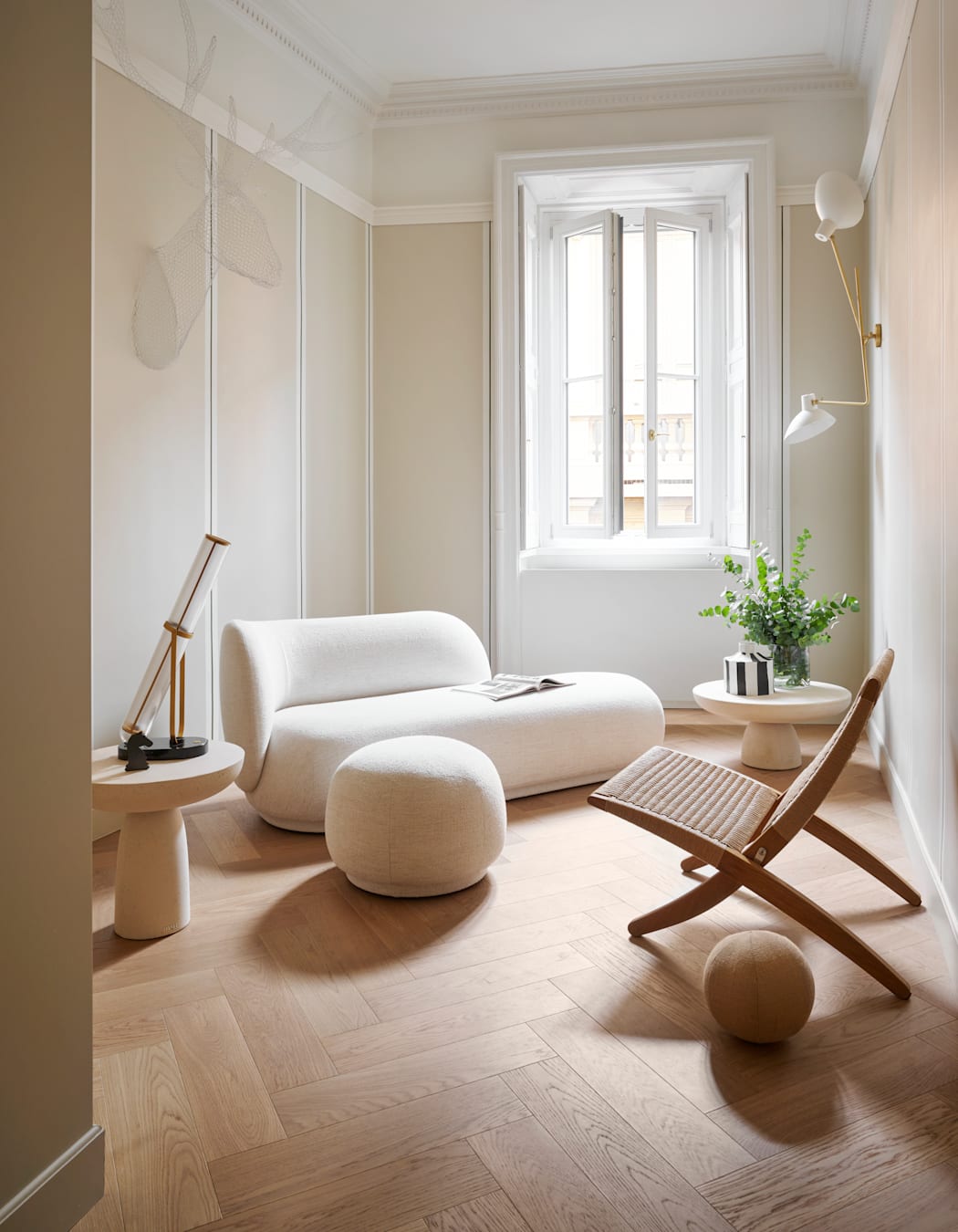
Whether you’ve touched down by plane or arrived into the hallowed halls of the majestic Milano Centrale train station, you’ll want to drop your bags as quickly as possible so you have plenty of time to engage in aperitivo hour. For this, you have four solid options. If you want to be in the historical heart of Milan, Crossing Manzoni hotel is your go-to. This 19th-century palazzo is a hop from the Duomo, a skip to the Teatro alla Scala, and dangerously close to the designer shopping district on Via Montenapoleone.
In a quieter corner on the other side of the centre, the Portrait Milano is your bag if you want to mingle with the city’s fashion execs who hold their breakfast, lunch and business meetings in its sumptuous dining rooms. For a room with a view, make your way to the glitzy Casa Cipriani Milano, where wood-clad rooms overlook the Giardini di Porta Venezia. If you’re looking for somewhere small, intimate and a little more low-key, then Vico Milano by the Navigli canal, with its library and speakeasy-style bar, fits the bill.
For that first thirst-quencher of the weekend, Milan’s options are endless. First up, let’s go with a classic: there’s no talking aperitivo without mentioning Bar Basso, the origin story of the Negroni sbagliato — a must have when in Milan. If a fizzy Franciacorta or chilled Trebbiano is more your tipple, Cantine Isola in Chinatown is an IYKYK hangout with a great atmosphere, likely because they’re stocked to the ceilings with wines. For a bustling stop in the heart of the Brera neighbourhood, N’Ombra de Vin is a converted 16th-century refectory serving up sharing boards to soak up your spritz in its underground cantina; and for something more recent and on the radar of the cool crowd, head to Bar Nico, south of Città Studi — all steel and concrete counters and boasting one of the best natural-wine lists in the city.
SATURDAY: MORNING
Let’s hope the sun is shining, because Milan is at its most glorious on a sunny day. Rise early to take in the best of the city, before its streets swell with day-trippers and big groups, and to witness the Milanese run their errands; buying bread from the Davide Longoni bakery, flowers from Angelo Radaelli Fioraio, and coffee breaks at charming corner cafés.
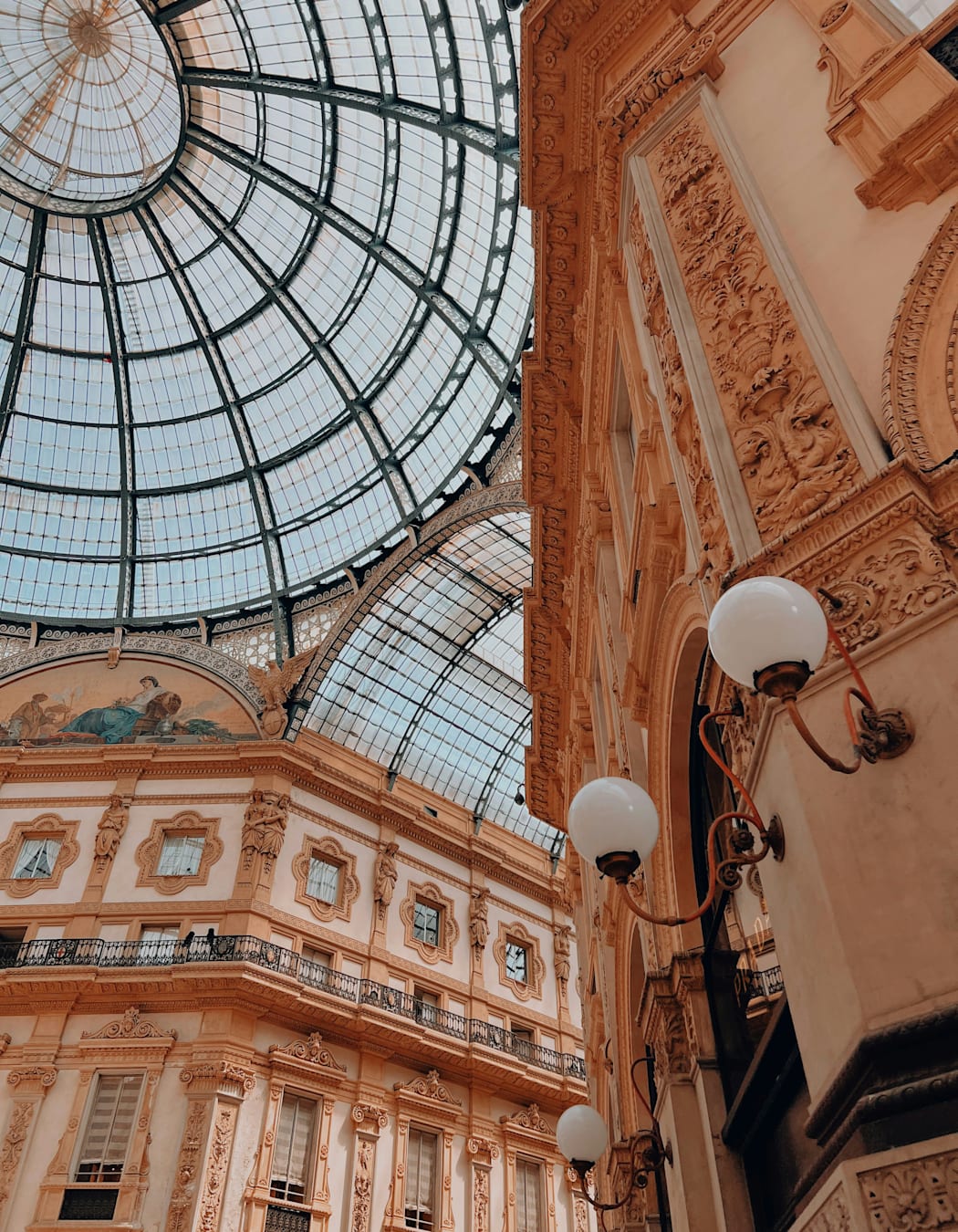
Many of the major central landmarks can be taken in on one stroll, from the Teatro alla Scala (offering brilliant daily guided tours in English, French, Spanish, as well as Italian), to the Galleria Vittorio Emanuele II, Italy’s oldest and most sensational shopping arcade. From there, emerge into the Piazza del Duomo to spy the Gothic spires of the Duomo rising in front of you; ascend its heights for close-ups of the gorgeous architectural details (lifts are available) and unrivalled views of the Alps on one side and Milan’s iconic skyscrapers — including the Velasca and Pirelli towers — on the other.
SATURDAY: AFTERNOON
After all that walking and climbing, lunch is calling; thankfully, the centre of Milan has no shortage of reliable eateries. First up, A Santa Lucia: nestled in a side street and lined with pictures of the famous faces who have frequented it since 1929; the risotto alla Milanese is delicious. Around the corner is the iconic Sant Ambroeus — which may be more famous for its A-list-pulling locations in New York, but it first opened its doors in Milan in 1936. It’s a refined little spot for any meal of the day. Off the main Via Montenapoleone shopping street is Il Salumaio di Montenapoleone, where you can stop for an à la carte meal or curate your own plate of nibbles, perch at the bar, and people watch with a glass of Barolo.
From here, walk off lunch with a wander around the city — Milan is something of a free museum. In the centre, peek into the lush internal courtyards behind many of the buildings’ imposing oak doors and marvel at the modernist entranceways of condominium blocks old and new. One of the city’s most photographed locations, Villa Necchi Campiglio (of Luca Guadagnino’s I Am Love fame) opens its doors to the public and has a cafeteria that serves relaxed lunches and refreshments every day of the week. As for bricks-and-mortar museums, the Gallery of Modern Art — housed in the Villa Reale, the neoclassical residence of Napoleon in the 1800s — is the most storied, with an array of 19th-century art. The new kid on the block is Mudec, down by Porto Genova: this restored factory hosts contemporary visual, sound and performing art installations and is well worth a hop across town.
SATURDAY: EVENING
A stroll around any district of Milan on a Saturday night captures the fizzing energy of the city, but wherever you end up, plan ahead as most places book up quickly. After a browse in famous concept store 10 Corso Como, head around the corner to dine on regional classics at Antica Trattoria della Pesa like the fashion pack do. To mingle with the design set, make it your mission to get a seat at Trattoria del Ciumbia, a hotspot designed by Dimorestudio that deservedly enjoys a lot of attention. Or, to share stories over hot stews with the locals, head to Trattoria Madonnina, which has been serving rustic Milanese dishes since 1722.
SUNDAY: MORNING
Head south on a Sunday, the unofficial day of antique hunting, culture and Campari. The Prada Foundation never disappoints with its packed schedule of exhibitions and events — it’s worth the trip even just to experience the views from the 60-metre Torre building. After you’ve worked your way through the nine floors of artworks and installations, pop into Bar Luce, the on-site bar designed by Wes Anderson, to take in the perfectly quirky decor and enjoy a glass of the best ruby bitters.
SUNDAY: AFTERNOON
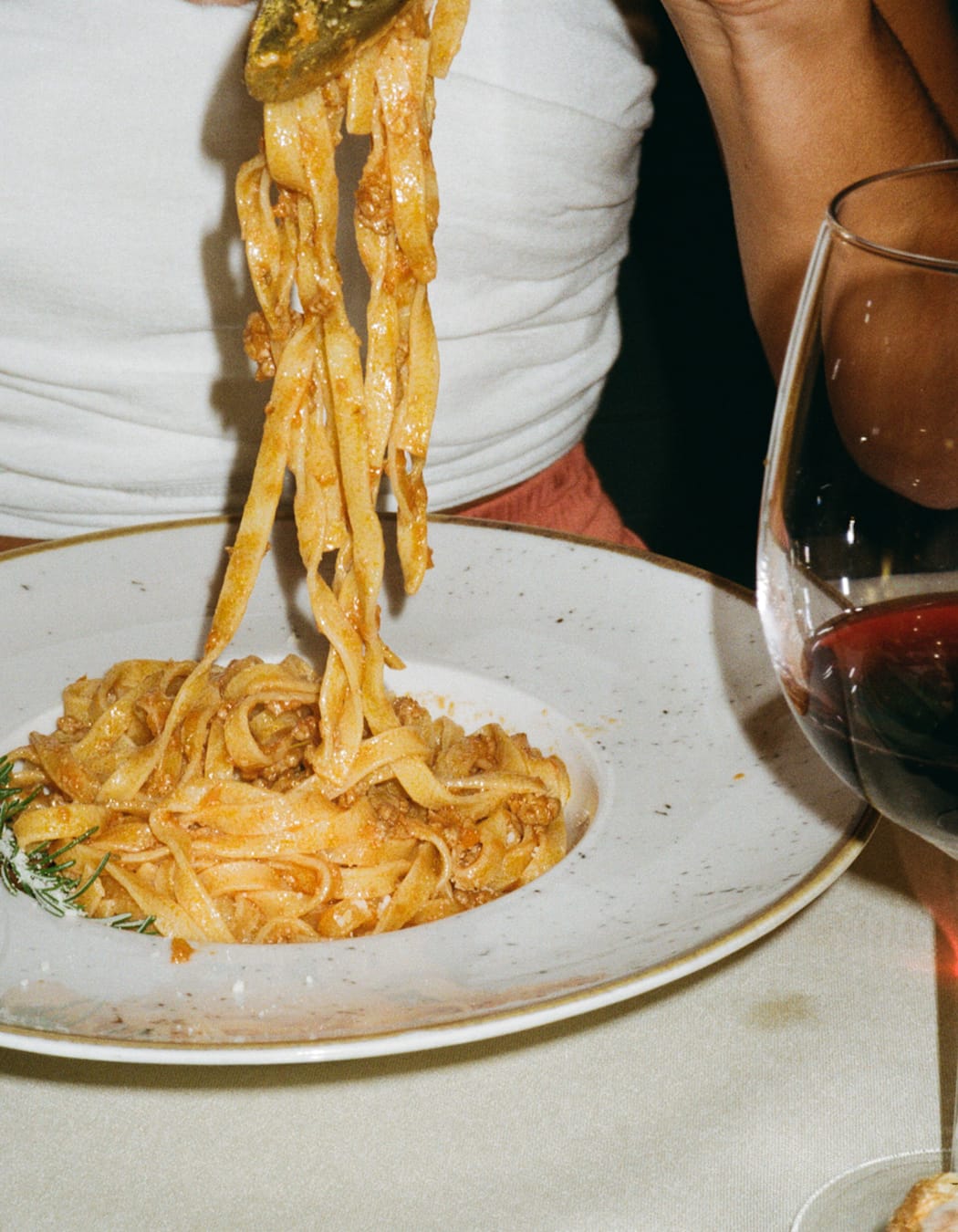
If you’ve timed your Foundation trip right, you’ll now be ready to eat, and a two-minute walk away is Osteria Tajoli, serving the kind of divine plates of roasted meats and potatoes that make it perfect for Sunday lunch. Once sated, stay south and head to the Navigli canal — there’s a market every Sunday of the month and either side of the water is lined with buzzing bars and bookshops. But the optimum time to visit is the last Sunday of every month, when antique traders come from Italy, Belgium, France and beyond, offering mid-century Italian designs (think Castiglioni, Sottsass, Magistretti, and Aulenti).
SUNDAY: EVENING
If you’re staying on for a long weekend, make a Sunday night reservation at L’Osteria Grand Hotel, an off-the-beaten track restaurant that remains timeless (we advise getting a taxi there and back). In summer, you dine outdoors under vivid wisteria; in winter, you’ll take in the buzz of the kitchen. If, on the other hand, your Milano mini break has come to an end, then make your last supper one served up by Da Vinci. His 1495 masterpiece hangs in its original spot on the wall of the dining room in the refectory, or Cenacolo Vinciano, of Santa Maria delle Grazie — the doors close on a Sunday at 6.45pm sharp.
NEED TO KNOW
Transport Milan has three airports. Linate is closest to the city centre, newly reachable by the extended Metro system and super quick from Piazza San Babila (around 25 minutes). Malpensa is next easiest to get to and from using the Malpensa Express (around 45 mins), and Bergamo is about an hour away and only feasibly reachable by car or bus that takes an hour on a good day. The train from Milano Centrale, meanwhile, has direct links to many major cities in Europe.
When to go Milan is a year-round delight, but especially great for a special occasion. In early summer you can visit the lidos — Bagni Misteriosi in the Franco Parenti Theatre or the Piscina Giulio Romano (designed by architect Luigi Secchi in 1929) are the best. If you want to take in an opera at the Teatro alla Scala, be aware that it closes in August. And if you go at Christmas, you will be treated to torn-up panettone after every meal, wherever you go.
What to buy Milan is memento central. Stock up on sweets in delicate boxes from the Marchesi 1824 pasticceria; stationery from Ditta Raimondi di Pettinaroli; jewellery from Gioielleria Pennisi; coffee table books from 10 Corso Como; a leather wallet or handbag from Valextra; and a porcelain keepsake from Fornasetti. If you want to really splash out, go for Prada. Always, Prada.
Handy hint Make a point of using the metro, specifically the M1 line, even if only once. The stations it serves were designed in the early 1950s by renowned architect Franco Albini and remain Milanese icons, with curved red handlebars, granite detailing and Pirelli flooring. They are now the setting of fashion shows during Milan fashion week, so tap in with your contactless card and strut your stuff.
See our full collection of hotels in Milan or plot out your next weekend city break — maybe Copenhagen, Vienna, Mexico City…